Garden Maintenance in Golders Green

Garden maintenance in Golders Green should keep outdoor spaces orderly, healthy and easy to enjoy throughout the year. Our service covers the practical care that keeps planting beds, lawns, hedges and borders under control, with attention to seasonal growth, tidy finishes and the specific condition of each garden. Whether the space is compact or more established, the aim is to keep work consistent, manageable and suited to the property.
We handle routine upkeep as well as one-off garden visits where growth has been left to build up. That can include mowing, hedge trimming, border care, light pruning, clearing leaves and general tidying so the garden remains usable rather than overrun. If you need a straightforward plan for ongoing maintenance, we can help you define what needs doing and keep the work focused on the parts of the garden that matter most.
When you are ready to compare options or request a quotation, send the details you already have and we will use them to prepare a sensible response. A brief note about the garden’s size, the main tasks and any access considerations is usually enough to start. Clear instructions make it easier to quote for the right scope of work, especially when there are mixed planting areas, uneven growth or features that need careful handling.
Routine garden maintenance
Routine maintenance is usually the best way to keep a garden neat without allowing jobs to stack up. We can support scheduled care that brings together the small but important tasks: cutting grass, edging where needed, removing basic debris and keeping paths and borders from looking untended. That steady approach helps preserve the appearance of the space and makes later work simpler.
Different gardens need different rhythms. Some need frequent lawn attention during active growing periods, while others benefit more from periodic visits that combine several jobs at once. We can work to the condition of the garden rather than forcing it into a fixed pattern, so the maintenance plan reflects the actual planting, layout and growth levels on site.
For a broader picture of the work we offer, you can also review our services overview and decide which tasks are best suited to regular upkeep. If you prefer a direct conversation, ask for a quotation when you are ready and include the main parts of the garden that need attention.
Lawn care and mowing

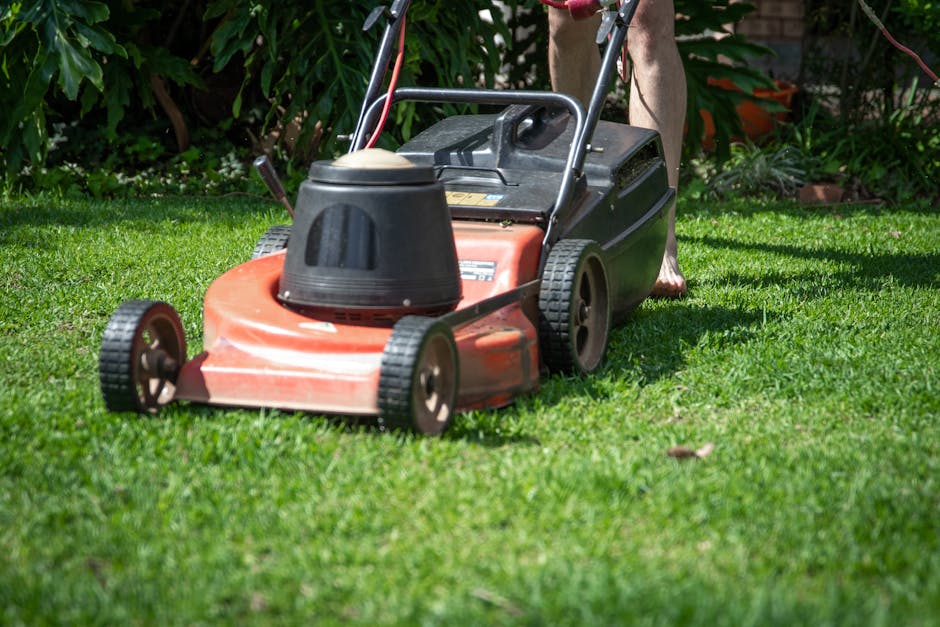
Lawn care is often central to the overall look of a maintained garden, and mowing should be matched to the condition of the turf rather than treated as a quick pass over the surface. We can carry out mowing as part of a wider maintenance visit, with edges and clippings managed so the finish looks deliberate and tidy. Where lawns are patchy, shaded or uneven, the work can be adjusted to avoid needless stress on the grass.
Good mowing is only one part of sensible lawn care. The surrounding conditions matter too, including how much shade the lawn receives, whether leaves build up on the surface and how much growth is happening at different times of year. A maintained lawn usually benefits from regular attention to prevent coarse growth, while a less used area may need a lighter approach. The right method depends on the lawn’s condition, not just its size.
If lawn work is one part of a wider garden tidy, it can be planned alongside border care and clearing so the visit is efficient. For areas that need more than a quick trim, tell us what has changed since the last maintenance visit. That helps us shape the quotation around the actual work instead of a generic description.
Hedge trimming and border control
Hedges and borders can quickly make a garden feel untidy when growth starts to spread beyond its intended shape. We can trim hedging to keep lines neater, reduce overhang and maintain a more manageable profile along fences, paths or boundary edges. In planted borders, we can also help keep growth from spilling into lawns or access routes, so the garden remains easier to use and look after.
Some hedges need careful, regular shaping, while others need a more corrective cut after a period without attention. The right level of work depends on how dense the growth is, where the hedge sits in the garden and whether there are nearby plants that should be protected. Trimming is most effective when the finished shape suits the plant rather than forcing an overly harsh cut.
For heavier or more established growth, it is sensible to group hedge trimming with a general tidy so the cut material and surrounding debris can be dealt with at the same time. If you already know which boundaries or planting areas need attention, include them in your enquiry so the quotation can reflect the full job.
Clearance and seasonal tidying
Some gardens need more than routine maintenance and benefit from a clear-up that brings the space back under control. That might include collecting fallen leaves, removing light overgrowth, cutting back unmanaged growth and tidying the parts of the garden that are no longer easy to reach. Clearance work is useful where maintenance has been delayed or after seasonal change has left the space cluttered.
Seasonal tidying is often best when it follows the garden’s condition rather than the calendar alone. In leaf-fall periods, for example, a regular clear-up can stop surfaces from becoming slippery and borders from being buried. In stronger growing periods, tidying may be needed to keep paths open and planting areas readable. We can tailor the work to the visible condition of the site and the level of care you want to keep.
If you are comparing maintenance with a more involved tidy-up, the garden clearance page can help you judge whether the job needs routine care or a larger clear-out. Use the request for quotation to describe the current state of the garden honestly, as that is the simplest way to match the estimate to the work needed.
Planning a maintenance visit

A well-planned visit keeps the work efficient and avoids unnecessary disruption. It helps to know which parts of the garden are the priority, whether there are any access constraints and whether the job is for a single visit or a repeat arrangement. That information allows us to set out the work clearly and keep the quotation tied to the actual tasks rather than guesswork.
Useful details often include the main areas involved, the condition of the garden and any features that need a careful approach. If certain sections are to be left alone, mention that as well, especially where there are newly planted beds, fragile ornaments or areas with restricted access. The more precise the request, the easier it is to focus on the right scope.
To make the next step easier, you can also review pricing and quotes for the kind of information normally used when work is assessed. Then send your own brief outline and request a quotation based on the maintenance tasks you would like covered.
Garden maintenance services we can combine
Many customers need a combination of tasks rather than one isolated job, and it often makes sense to group them into a single maintenance visit. We can combine lawn care, hedge trimming, border tidying and light clearance where the garden would benefit from a coordinated approach. This keeps the result consistent across the whole space and avoids one part of the garden looking finished while another remains overgrown.
Other service pages may also help you decide what to include. For example, if your garden needs more structured planting work or a stronger visual refresh, landscape gardening may be relevant alongside maintenance. Where surfaces or garden structures are involved, decking services can be considered separately from the living planting areas so each part of the job is described properly.
When the work is being organised as a larger garden project, it helps to state which elements are maintenance, which are improvements and which are separate features. That distinction keeps the quotation focused and reduces the chance of overlooking part of the brief. Tell us what needs regular care and what needs a one-off intervention, then we can shape the response around that split.
About Golders Green
Golders Green is a district in north-west London, within the London Borough of Barnet, and it is known for its mix of residential streets, transport links and long-established local institutions. The area developed significantly with the arrival of the railway in the early twentieth century, which helped transform it from a more rural edge of London into a suburban neighbourhood with a busy local centre. Golders Green station, on the Northern line, remains one of its most recognisable transport features and connects the district to central London and neighbouring parts of north London. Nearby, the Golders Green Road corridor forms the core of the shopping and service area, with a range of independent businesses and everyday amenities. The district also sits close to large areas of open space, including Golders Hill Park and the wider Hampstead Heath extension, which give it a greener character than many inner urban locations. Its streets include a wide variety of housing types, from interwar terraces and semidetached homes to later flats and mansion blocks, reflecting successive phases of suburban growth. The area is also noted for cultural diversity, with places of worship, community facilities and long-running local services contributing to a distinctive neighbourhood identity. Together, these elements make Golders Green a place shaped by transport, suburban development and access to open space, with a local centre that serves both residents and visitors.
How we approach different garden conditions
No two gardens require exactly the same maintenance pattern, so the work should always start with the condition of the site. Some spaces need regular light attention to keep on top of growth, while others need a more restorative visit to re-establish basic order. We can approach both kinds of job sensibly, using the simplest method that will achieve a tidy and manageable result without unnecessary work being added.
It is also worth thinking about which parts of the garden are most visible or most used. A front garden may need neat edges and clear sightlines, while a rear garden may need a better balance between access, planting and lawn care. If the garden includes awkward corners, dense beds or overhanging growth, those areas can be dealt with as part of the same visit rather than left as separate problems.
Where the work requires a broader mix of tasks, the landscaping page may be useful for understanding how maintenance fits alongside heavier garden changes. If trees are affecting the space, tree lopping and removal is a separate area of work and should be described separately from routine garden care.
Preparing the quotation request
A clear quotation request does not need to be long. A short description of the garden, the work you want done and whether it is a one-off or repeat service is usually enough to begin. If possible, mention the approximate size of the area, any particular growth problems and whether the space can be reached easily. This helps keep the estimate realistic and avoids assumptions.
You can also say if the job involves only maintenance or if there are related tasks such as clearing a congested border or dealing with hedges that have grown beyond their intended shape. Where several different tasks are involved, grouping them clearly in the enquiry helps us separate what should be included now from what might be better handled later. That makes the quotation easier to understand.
For formal information about how requests are handled, the contact us page is the best place to start. If you are still comparing options, you can also look at garden maintenance for the main service description before sending your enquiry.
Regular upkeep, clear finishes and practical follow-up
Once a garden is back under control, ongoing upkeep is usually the simplest way to keep it that way. Regular mowing, trimming and clearing reduce the amount of catch-up work needed later and make each visit more predictable. That is especially useful in gardens where planting is mixed or where growth changes quickly through the season. A modest maintenance plan is often enough to preserve a tidy appearance.
We can also support follow-up work after an initial tidy-up, so the garden does not drift back into the same condition. If the priority is consistency, it is often easier to decide on the main maintenance tasks first and then arrange future visits around that list. Keeping the scope clear helps the work stay efficient, especially where the garden has a few problem areas rather than a single obvious issue.
For final next steps, about us gives a general overview of the business, while the most important step is still simple: request a quotation with the tasks you want covered and the condition of the garden as it stands now.