Garden Maintenance Golders Green: Recycling and Sustainability
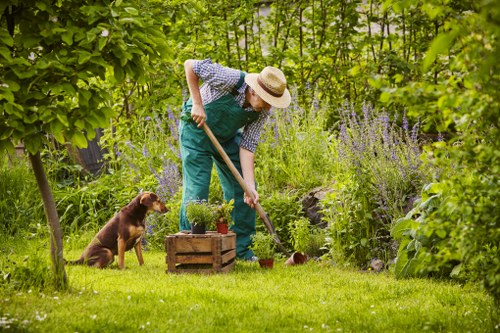 Garden Maintenance Golders Green combines practical garden care with a clear commitment to an eco-friendly waste disposal area and a sustainable rubbish gardening area that supports local biodiversity and reduces landfill. Our approach to Golders Green garden maintenance is rooted in pragmatic steps: minimise waste at source, separate materials for recycling, and divert organic matter to composting and community reuse schemes. This page explains our targets, partnerships, and low-carbon operational choices that help make gardens across the neighbourhood greener and cleaner.
Our local teams working on gardening maintenance Golders Green follow borough-level guidance on waste separation. We support common schemes such as paper and cardboard, glass, small metal items and mixed plastics collections, while also encouraging residents and estate managers to separate food and garden waste where possible. Using a combination of on-site sorting and designated drop-off at authorised hubs, we ensure that clear, recyclable streams are delivered to the right processing facilities.
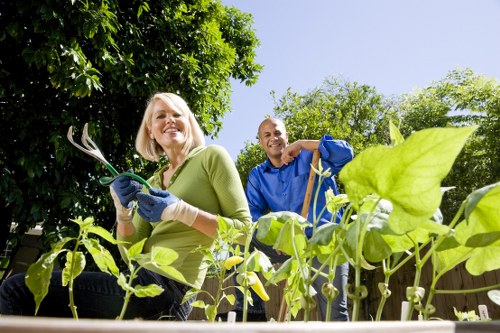 Recycling and reuse are core to every job, from small terrace gardens to large communal green spaces. We aim to create a network of sustainable rubbish gardening area practices that are repeatable across Golders Green and neighbouring boroughs. Our ambition is to set a local example: implementing composting for green waste, rehoming usable materials, and reducing the carbon footprint of routine garden clearance.
Recycling Percentage Target and Measurement
We have set a clear, measurable recycling percentage target to drive improvement and track progress. The target for our garden maintenance operations is to achieve a 65% recycling and reuse rate of all collected materials by 2030, with interim milestones of 50% by 2026. This target covers organic green waste diverted to composting, wood and plant materials reused as mulch, and non-organic items sorted for recycling streams.
 To reach these goals we record tonnages at collection points, encourage on-site segregation, and use audit trails for materials delivered to processing centres. Data is used to refine crew training, adjust kit and vehicle allocations, and prioritise interventions that increase the recycling share. Garden Maintenance Golders Green services include regular reviews to make sure the target is being pursued across all maintenance contracts.
Our measurement approach reflects the boroughs’ approach to waste separation where applicable — for example, standard kerbside mixed recycling complemented by separate food and garden waste streams in areas that provide them. By aligning with municipal systems we avoid contamination and improve the recovery rate for recyclable materials.
Local Transfer Stations and Processing Hubs
We work closely with authorised local transfer stations and recycling hubs in and around Barnet, ensuring green waste and recyclables are taken to licensed facilities rather than landfill. These local transfer stations act as crucial nodes: consolidating materials from garden clearances, screening contaminants, and directing each stream to the best available treatment — composting sites for organics, timber recyclers for wood, and established materials recycling facilities for glass, paper and metals.
Key elements of our logistics strategy include:
- Planned drop-off schedules to reduce double-handling and lower transport emissions.
- Segregated collection boxes and bins on site so crews can sort materials as they work.
- Pre-clearing checks to avoid non-recyclable contamination and to identify items suitable for reuse or charity donation.
These steps help turn a standard clearance into a sustainable resource-management exercise that benefits the wider community.
Partnerships with Charities and Community Reuse
We prioritise partnerships with local charities and community groups to rehome still-useful items collected during garden work. Furniture, plant pots, garden tools in good condition, and salvageable timber are offered to charities or community gardens before any disposal decision. This helps extend the life of materials and supports local social projects that enhance green space access across Golders Green.
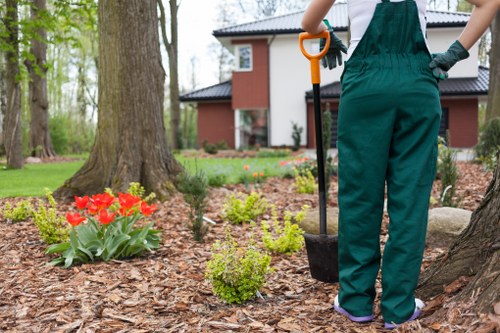 Our charity partnerships are structured to ensure transparent transfers: items are photographed and logged, recipients sign for pickups, and material flows are tracked. This creates a reliable supply of second-life items for community projects while reducing the demand for new materials and diverting waste from higher-emission disposal routes.
Examples of reuse activity include donating planters to community allotments, supplying reclaimed timber to local craft groups, and providing surplus topsoil or compost to volunteer projects. These actions convert what might otherwise be waste into valuable resources for the neighbourhood.
Low-Carbon Vans and Operational Choices
 Low-carbon transport is central to our sustainability promise. Our fleet includes electric and hybrid vans where feasible, and we schedule jobs to reduce empty miles. Route optimisation software, combined with bulk collection days, reduces both fuel use and air pollution in residential streets. For larger loads requiring heavier vehicles we opt for modern low-emission trucks and consolidate trips to transfer stations.
In addition to vehicles, we use low-impact equipment such as battery-powered strimmers and pruners, and we choose biodegradable bags for green waste when required. Crew training emphasises minimal disruption, careful material handling to avoid contamination, and prioritising reuse over disposal.
Garden maintenance Golders Green therefore means more than tidy beds and trimmed hedges: it reflects an integrated, responsible approach that supports borough recycling goals, local transfer station capacity, charity partnerships, and a measurable recycling target. By combining sensible on-site practices with low-carbon logistics, we create a sustainable rubbish gardening area model that other local services can mirror, helping Golders Green become a greener, cleaner place to live.