Golders Green Station lawn care guide for NW11 flats
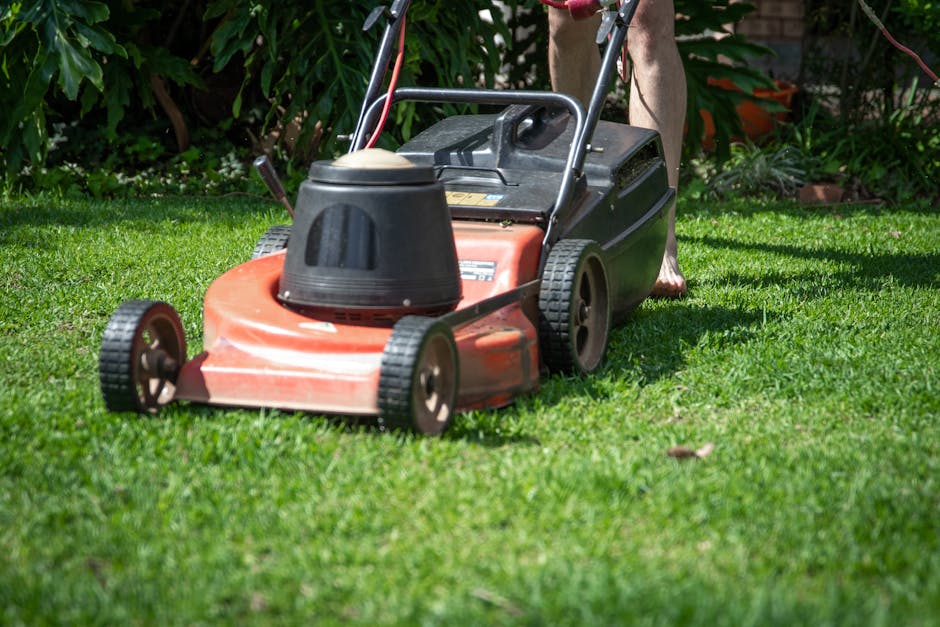
If you live in an NW11 flat near Golders Green Station, lawn care can feel oddly complicated. You may have a small communal strip, a pocket-sized front lawn, or a shared garden that no one quite owns but everybody notices. The grass still needs cutting, edging, feeding, and a bit of judgement. That is the point of this Golders Green Station lawn care guide for NW11 flats: to make the whole thing feel manageable, not mysterious.
In practice, the best lawn care for flats is less about perfection and more about rhythm. Keep it tidy, keep it healthy, and stay ahead of the little problems that quickly become bigger ones in busy London buildings. Below, you will find a clear, local-friendly guide covering why it matters, how it works, common mistakes, the tools worth having, and when it makes sense to bring in professional help. Simple enough. Useful enough.
Why Golders Green Station lawn care guide for NW11 flats matters
A flat near Golders Green Station often comes with space constraints, shared access, and a steady stream of people crossing the garden. That changes how lawn care works. Grass in a private house garden can recover from a bit of neglect more easily; in a flat setting, especially a communal one, the lawn usually gets walked on, flattened near entrances, and left with patchy edges where bins, bikes, or garden furniture sit. You notice it fast.
There is also the simple visual factor. In NW11, where homes and apartment buildings often sit close together, a neat lawn can make an entrance feel calmer, cleaner, and better cared for. That matters whether you are a resident, a landlord, a leaseholder, or a managing agent trying to keep the building presentable without overcomplicating maintenance. Truth be told, a lawn is one of those details people do notice even when they do not mention it.
Good lawn care also helps you avoid the usual cycle of reactive fixes. If grass is cut too infrequently, weeds spread more easily, moss takes hold, and bare patches linger longer after dry spells or heavy use. If it is cut too short, the lawn thins out and can look stressed within days. For flats, the goal is steady, sensible maintenance that fits around access, noise, neighbour expectations, and the reality of city living.
If the outdoor area also includes hedges, overgrown borders, or leftover waste after a seasonal tidy-up, it can help to think of lawn care as part of the wider routine. A broader garden maintenance plan usually keeps things far easier to manage than tackling each issue separately at random intervals.
Practical takeaway: For NW11 flats, lawn care is not about creating a showpiece every week. It is about maintaining a neat, safe, usable green space that holds up under shared use and limited time.
How Golders Green Station lawn care guide for NW11 flats works
The basic process is straightforward, but the order matters. A healthy flat lawn usually needs mowing, edging, debris removal, occasional feeding, and periodic checks for drainage, shade, and compacted soil. In a shared setting, it also needs coordination. Who mows? Who gives access? Where do clippings go? Who handles the awkward patch near the fence where the grass always looks a bit sorry for itself? That last bit, by the way, is nearly always the same spot.
A sensible routine starts with assessing the lawn's actual condition rather than guessing. Is it mostly healthy but untidy, or thin and stressed? Has it become spongey with moss? Are there bald patches from footfall or pet use? Once you know what you are dealing with, you can choose a maintenance rhythm that suits the site. A smaller flat lawn near the station may need lighter but more frequent attention because it sees more use and is more exposed to edge damage.
Then comes the mowing approach. For most urban lawns, regular mowing is better than dramatic cuts. Cutting a little and often keeps the lawn more even and reduces stress. Edging along paths, walls, and planted borders also makes a surprisingly big difference; sometimes the lawn itself is fine, it just looks scruffy because the edges have gone wild. A good mow plus a neat edge can change the whole feel of the garden in half an hour.
Professional teams often combine this with seasonal tasks such as scarifying, aeration, light feeding, and weed control. If the lawn is part of a larger external area, the job may sit alongside other outside works such as lawn mowing, hedge work, or even targeted tidy-ups around hard landscaping. Not every flat needs the full package, but knowing the options helps you choose well.
Key benefits and practical advantages
The biggest benefit is consistency. A small lawn can go from fresh to tatty quite quickly if it is ignored for a month or two, especially in a busy building. Regular care keeps the space usable without requiring a huge effort later. That alone saves time and reduces the feeling that the garden has become another thing on the list.
There is also a comfort factor. A well-kept lawn makes shared outdoor space more inviting, which matters if residents actually use it for morning coffee, a child's play area, or a quick sit outside after work. On a damp spring morning, when the air still smells a little earthy and the grass has that clean cut scent, the whole building can feel better cared for. It sounds small. It is not small.
From a property perspective, tidy grounds support the overall impression of the building. That can matter for lettings, viewings, and general resident satisfaction. A neglected lawn, especially near an entrance, can quietly drag down everything else around it. Fresh paint won't always hide rough grass, let's face it.
Finally, a structured lawn routine makes budgeting and scheduling easier. Rather than scrambling after a complaint or dealing with a sudden patchwork of weeds and bare areas, you can set a rhythm that fits the site and the season. If you are comparing service levels, the right support can often be bundled with other exterior tasks through services overview options or built into a broader package. Not flashy, but efficient.
- Better kerb appeal for visitors, residents, and agents
- Less wear and tear from overuse and neglect
- Cleaner, safer access around paths and entrances
- Lower risk of weed and moss spread
- More predictable maintenance costs and scheduling
Who this is for and when it makes sense
This guide is for anyone responsible for lawn care around a flat near Golders Green Station: leaseholders, landlords, block managers, resident associations, and tenants who have taken on a shared green area. It is also useful if you are simply tired of looking at a lawn that never quite gets the attention it needs. Some buildings only need a light tidy every couple of weeks. Others need something much more regular. Different sites, different headaches.
It makes sense to act sooner rather than later if you notice any of the following:
- grass grows unevenly or leans badly near shaded areas
- there are muddy patches near footpaths or entrances
- the lawn feels springy, compacted, or waterlogged
- moss is spreading across the surface
- weeds are creeping into borders or bare areas
- residents keep complaining that it looks untidy
In some cases, the lawn is not really the problem on its own. It may be part of a wider maintenance issue involving drainage, overhanging shrubs, rubbish build-up, or neglected hedges. If that is what you are facing, it may be more efficient to combine lawn work with garden clearance or targeted hedge care rather than making repeated one-off visits. A little joined-up thinking saves a lot of backtracking.
There is a point where DIY is fine and a point where it becomes false economy. If access is awkward, the lawn is heavily compacted, or the site needs regular attention, professional help often ends up being the calmer option. Nobody enjoys lugging a mower through a narrow communal gate at 7:30 in the evening. Nobody.
Step-by-step guidance
Here is a simple workflow you can use for most flat lawns in NW11. It is practical rather than perfect, which is usually what you need.
1. Inspect the lawn properly
Walk the space slowly and look for shade, bare patches, moss, broken edging, dog spots, drainage problems, and any trip hazards. Check how the lawn looks from the path, not just from standing on it. That external view often tells you more than the close-up.
2. Clear debris first
Remove leaves, twigs, litter, and any heavier debris before mowing. A lawn mown over rubbish is a messy job and a risky one. In shared buildings, this can make a huge difference to the final finish.
3. Mow to the right height
Do not scalp the grass because it looks long. A modest cut is far better for most urban lawns. If you cut too much at once, you stress the grass and invite patchiness. For the first cut after a longer gap, raise the mower height and take it gradually.
4. Edge and tidy the borders
Use edging to sharpen the boundary between lawn and path, soil, or paving. This is one of the quickest ways to make a lawn look cared for. The eye reads edges before it reads detail. Slightly unfair, but there it is.
5. Assess soil and wear
If the lawn stays damp, hard, or worn in the same places, consider aeration or light top-dressing as part of the next maintenance round. In flat gardens, compaction is common around access points and seating areas.
6. Feed, weed, and patch as needed
Seasonal feeding can help the lawn recover, but do not overdo it. If there are bare patches, reseeding or turf repair may be better than trying to "feed it back" and hoping for the best. That rarely works. Grass is polite, not magical.
7. Set a repeat schedule
Agree the frequency in advance. A small, well-used lawn may need more frequent mowing during active growing periods and less in colder months. Regularity matters more than heroic intervention.
If you are planning the work as part of a broader exterior upkeep routine, it can help to pair it with landscaping or light planting improvements where the site needs a fuller refresh. Sometimes a lawn is not failing, it is simply surrounded by tired edges and awkward layout.
Expert tips for better results
One of the easiest ways to improve a lawn in a flat setting is to respect the site's limits. Small communal spaces take a beating in ways private lawns often do not. So, start with the basics, then build up. You do not need a grand restoration if what you really need is a disciplined routine.
Cut little and often. That one habit solves more problems than expensive products. When grass is trimmed regularly, it stays dense and looks calmer. When it is hacked back after a long gap, it tends to look ragged, and the neighbours notice. They always notice, somehow.
Work around the weather. If the lawn is wet, leave it until it is dry enough to mow cleanly. Wet cutting tears grass and leaves clumps. In a London spring, that means occasionally waiting a day longer than planned. Slightly annoying, yes. Worth it, definitely.
Use the right tools for the size of the job. A tiny courtyard lawn does not need the same kit as a larger shared garden. Smaller areas benefit from nimble, tidy equipment and careful edging. Bigger sites need more efficient, repeatable systems. Matching the tool to the space saves time and improves the finish.
Keep an eye on shade. NW11 gardens often have shade from trees, fences, and neighbouring buildings. Moss and thinning grass are much more common where sunlight is limited. If one section of the lawn is persistently weak, the answer may be less about mowing and more about light, airflow, or drainage.
Build the lawn into the wider garden plan. If hedges are too dense or trees cast heavy shade, the lawn may never perform well. That is where supportive work, such as hedge trimming or tree lopping and removal, can make a real difference. Not always necessary, but often helpful.
And one more thing: do not chase perfection every single visit. A stable, healthy lawn beats a manicured but stressed one. Every time.
Common mistakes to avoid
The most common mistake is cutting too much at once. It feels efficient in the moment, but the lawn pays for it later. Another is mowing on the same pattern every time, which can compact the soil and create lines of wear. Varying your route sounds minor, yet it helps more than people expect.
Ignoring edges is another classic. A lawn can be freshly cut and still look scruffy if the border is messy. Likewise, leaving clippings in clumps can create patchy, yellowing areas. If you are working in a shared space, those clumps also become something for residents to complain about. Fair enough, really.
Other mistakes include:
- mowing when the grass is too wet or frosty
- using blunt blades that shred rather than cut
- overfeeding, which can encourage weak, soft growth
- neglecting drainage or compaction issues
- treating every lawn problem as if it were the same problem
One subtle mistake is to focus only on the lawn itself and ignore the surrounding area. If nearby borders are clogged with leaves, or if pathways constantly drag soil back onto the grass, the lawn will struggle to stay neat. That is where a broader maintenance approach beats isolated fixes.
Tools, resources and recommendations
You do not need a shed full of equipment to maintain a small flat lawn well. In fact, too many tools can make the job more awkward. A practical setup usually includes a mower suited to the lawn size, an edging tool, a rake, gloves, a basic feed or seed product, and a bagging solution for clippings. That covers most everyday needs.
| Method | Best for | Pros | Limitations |
|---|---|---|---|
| DIY mowing | Small, simple lawns | Low cost, flexible timing | Needs storage, time, and regular upkeep |
| Scheduled maintenance visits | Shared gardens and busy blocks | Consistent finish, less hassle | Requires coordination and budget planning |
| One-off tidy-up | Overgrown or neglected lawns | Quick reset, useful starting point | Does not solve ongoing maintenance by itself |
For flats with broader outside spaces, it can be worth looking at supporting services rather than treating the lawn as a standalone issue. A proper maintenance plan might sit alongside landscape gardening work, seasonal clearance, or simple site tidy-ups. The goal is to reduce friction, not create a never-ending list.
If you want to understand how services are usually grouped, the services overview page is a useful place to compare scope and decide what actually fits your building. It helps prevent that familiar mistake of paying for too much, or worse, too little.
Law, compliance, standards, or best practice
For most NW11 flat lawns, there is no special legal drama attached to the grass itself. Still, there are sensible standards and responsibilities to keep in mind. If the garden is communal, residents or managing agents generally need to think about access, safety, and whether maintenance work could create slips, trips, or blocked walkways. That is not complicated, but it does need attention.
In the UK, best practice usually means using reasonably safe methods, keeping paths clear, and making sure waste is handled properly. If work is being carried out by a contractor, it is sensible to choose a provider that takes insurance, safety, and working methods seriously. If you are comparing firms, it helps to look at their insurance and safety approach and their health and safety policy. That is not overcautious; it is just practical.
Data and booking handling also matter if you are arranging service visits for a block. For trust signals and transparency, a contractor should have clear policies on information handling and payments. Pages like privacy policy and payment and security show how those basics are dealt with. Again, nothing dramatic. Just the sort of housekeeping that keeps things smooth.
Environmental practice is worth mentioning too. Clippings, green waste, and general garden waste should be handled responsibly, especially in shared buildings where frequent maintenance creates more material than people expect. Sustainable disposal and tidy recycling habits are part of good site management, not an optional extra.
Options, methods, or comparison table
Not every flat lawn needs the same kind of care. The right choice depends on use, size, access, and how much involvement the residents want. Here is a simple comparison that helps with the decision.
| Approach | Good choice when... | Main advantage | Main drawback |
|---|---|---|---|
| DIY weekly mowing | the lawn is small and easy to reach | keeps control in-house | depends on someone staying consistent |
| Regular professional visits | the lawn is shared, busy, or near an entrance | steady appearance with less effort | needs an agreed budget and schedule |
| Seasonal tidy-up only | the space is rarely used | low commitment | often looks untidy between visits |
| Full garden maintenance package | the lawn is one part of a larger outdoor area | covers borders, hedges, and general upkeep | more comprehensive than some sites need |
In our experience, most NW11 flats do best with either a regular maintenance plan or a light but frequent DIY routine. Seasonal-only care sounds appealing until the lawn gets patchy in midsummer and everybody starts looking at each other. That is usually the moment reality checks in.
Case study or real-world example
Picture a medium-sized block near Golders Green Station with a small shared lawn at the front and a narrow side strip leading to bins. The grass gets walked on daily, the edges are constantly knocked by foot traffic, and one shaded corner turns soft and mossy after wet weather. Nothing dramatic, but enough to make the whole space feel tired.
The first improvement came from a better cut schedule. Instead of leaving the lawn for long stretches and then cutting it too short, it was maintained regularly at a sensible height. The second improvement was simple edging. Just cleaning the border along the path made the area look much sharper. Then the shaded corner was addressed with light aeration and a check on surrounding overgrowth, because the real issue was not just the grass; it was the lack of air and light.
By late afternoon, the site looked calmer, neater, and more cared for. Not perfect. But much better. And that is often the aim with flat lawns: noticeable improvement without turning the place into a weekend project that never ends.
For buildings that need a fuller refresh, combining lawn work with clearance work or more structural outdoor improvements can make the outcome last longer. A lawn does not live in isolation, after all.
Practical checklist
Use this quick checklist before and during lawn maintenance for NW11 flats:
- Check the lawn from the entrance and from close up
- Remove debris, litter, and loose branches
- Mow only when the grass is reasonably dry
- Avoid cutting more than one-third of the grass height at once
- Edge the borders for a sharper finish
- Inspect for moss, bare patches, and compaction
- Keep pathways and communal access points clear
- Bag or collect clippings if they will make the surface untidy
- Re-seed or patch weak areas when needed
- Agree the next visit before the lawn gets out of hand
Quick reminder: if the lawn is part of a bigger outdoor area, combine maintenance tasks where possible. It is more efficient, and the site usually looks better overall. Less back-and-forth, less faff.
Conclusion
Flat lawn care near Golders Green Station is not really about having the fanciest lawn on the street. It is about creating a clean, safe, steady-looking green space that suits shared living in NW11. With the right rhythm, the right cut height, and a bit of attention to edges, drainage, and access, even a modest lawn can look properly cared for.
If you remember only one thing, let it be this: regular maintenance beats rescue work nearly every time. A little attention now saves a lot of stress later, and the whole building feels better for it. Small outdoor spaces can punch above their weight when they are looked after well. Quietly, neatly, no drama.
If you are planning upkeep for a flat garden, it is worth comparing service scope, safety, and ongoing support before you commit. And if you want help getting it sorted, start with a clear plan rather than guesswork.
Get a free quote today and see how much you can save.
There is something satisfying about stepping outside and seeing the grass tidy, the edges sharp, and the space simply working the way it should. That little bit of calm matters more than people think.
Frequently Asked Questions
How often should a flat lawn near Golders Green Station be mowed?
For most small urban lawns, weekly mowing during the main growing season is a sensible starting point. In cooler months, the schedule usually slows down. The exact frequency depends on how fast the grass grows, how much shade the area gets, and how much foot traffic it sees.
What is the best mowing height for an NW11 flat lawn?
A moderate mowing height is usually best. Cutting too short can stress the grass, especially in compact shared spaces. If the lawn has been left for a while, raise the mower height and reduce it gradually over a few cuts.
What if the lawn is shaded by trees or nearby buildings?
Shaded lawns often need gentler care because moss and thinning grass are more common. Focus on sensible mowing, clearing debris, and improving light and airflow where possible. In some cases, the surrounding planting or tree cover may need attention too.
Can I maintain a small communal lawn myself?
Yes, if access is simple and someone can keep to a regular schedule. The challenge is usually not the mowing itself, but consistency. If no one wants to own the routine, professional maintenance is often the easier answer.
What should I do about moss in a flat garden lawn?
Moss is usually a sign of shade, dampness, compaction, or weak grass growth. The fix is not just removing moss; it is addressing the conditions causing it. Aeration, better mowing practice, and improved light or drainage can all help.
Is lawn care different for a flat than for a house?
Yes. Flat lawns are often smaller, more heavily used, and more likely to be shared. That means access, noise, waste removal, and resident coordination matter more than they do in a private house garden.
Do I need professional help for a neglected lawn?
If the lawn is badly overgrown, patchy, or tied up with other issues such as hedge growth or garden waste, professional help can save time and reduce mistakes. A one-off reset followed by regular maintenance is often a good approach.
What other garden tasks should be done with lawn care?
Common pairings include hedge trimming, light clearance, edging, and general tidy-up work. In some cases, a broader maintenance visit makes more sense than treating the lawn as a standalone job.
How do I know if the lawn needs reseeding?
If there are bare patches that do not recover after regular care, reseeding may be the right next step. It is especially useful where foot traffic or shade has thinned the grass. Small repairs are easier than waiting for the damage to spread.
What should I ask before hiring a lawn care provider?
Ask what is included, how often they recommend visits, how they handle waste, and whether they have clear safety and insurance arrangements. It also helps to understand pricing and payment terms up front so there are no awkward surprises later.
Is there a best time of day to mow a lawn in a flat building?
Late morning or early afternoon is often easier than very early or late in the day. The grass is more likely to be dry, and it is usually more considerate for neighbours. In shared buildings, timing can matter almost as much as the job itself.
What if the lawn is damaged by heavy foot traffic?
Foot traffic damage is common in communal spaces. Improving access routes, protecting weak areas, and using patch repairs where needed can all help. Sometimes the real fix is changing how the space is used, not just how it is cut.
For more general service details, you can also review the company's approach through the about us page or get in touch via the contact us page if you are ready to talk through the site. A quick conversation can save a lot of guesswork, and that is usually the nicest kind of win.