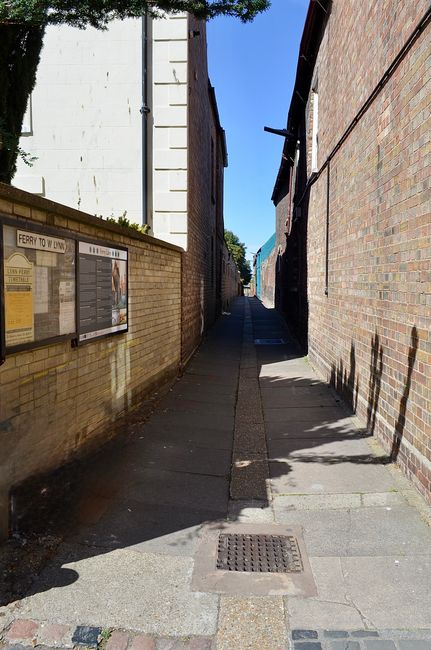
Gardeners access problems on narrow Golders Green streets solved
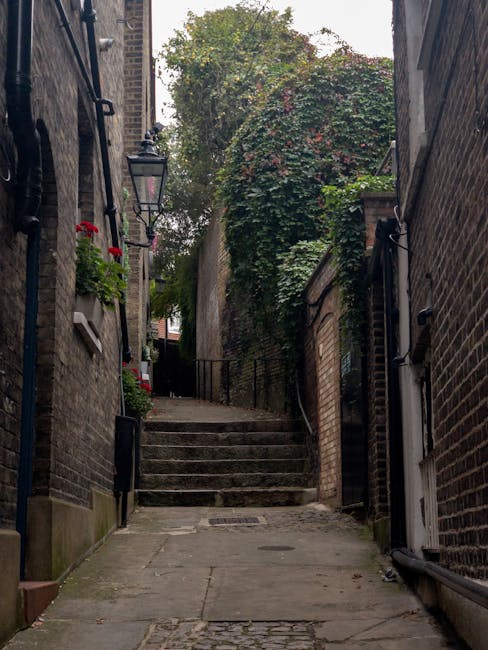
Narrow streets can turn a simple garden visit into a proper logistical puzzle. In Golders Green, that usually means tight parking, awkward turns, front paths with no room for gear, and neighbours who quite reasonably do not want the pavement blocked by a van all morning. The good news is that Gardeners access problems on narrow Golders Green streets solved is not just a phrase; it is a very practical way of working that makes maintenance easier, safer, and far less disruptive.
Whether you are dealing with a back garden reached only through the house, a shared driveway, or a road where stopping for two minutes feels like a gamble, the right setup can make all the difference. This guide explains how access challenges are handled in real life, what sensible planning looks like, and how to choose a service that can actually work with your street rather than against it.
It is a local problem with a local answer. And if you have ever watched a large van try to edge past bins, a pram, and two parked cars on a Friday afternoon, you will know exactly why it matters.
Why Gardeners access problems on narrow Golders Green streets solved Matters
Access is not just about convenience. It affects whether a garden can be maintained properly at all. On narrow streets, a job that looks simple on paper can become slow, awkward, and sometimes unsafe if the team cannot park sensibly, unload efficiently, or move equipment without blocking neighbours. That is especially true in residential parts of Golders Green where roads can be busy, space is limited, and parking is often already spoken for before anyone arrives.
When access is handled well, the whole visit feels calmer. Tools come out in one go, the team knows where to park, and the work can begin without that tense first ten minutes of shuffling and re-parking. Sounds small, but honestly, those first few minutes set the tone.
It also matters because poor access can affect the quality of the work. If a gardener has to carry heavy waste bags a long distance, or repeatedly walk up and down a tight path, time and energy get used up before the actual gardening begins. That can impact everything from lawn mowing to hedge trimming and more involved garden clearance. If you want a broader view of how services are usually organised, the services overview is a useful place to understand the range of work that may need access planning.
There is also a neighbour factor. Nobody wants a garden job to become a small street event. A good access solution keeps disruption low, which matters on busy local roads and shared frontages. In practical terms, that means less stress for everyone involved.
How Gardeners access problems on narrow Golders Green streets solved Works
The solution usually starts before anyone arrives. A sensible gardener will ask questions about parking, side access, gate width, steps, surface type, and whether larger items need to be taken through the house. That sounds basic, but it saves a huge amount of friction later.
From there, the job is often broken into smaller actions:
- Plan the arrival point. The team checks where a vehicle can stop without blocking traffic or causing problems for residents.
- Decide how tools will move. Lightweight kit may be carried by hand, while bulkier equipment is staged closer to the work area.
- Use smaller loads. On restricted streets, waste and materials are often moved in smaller batches instead of one heavy haul.
- Protect the route. If items must pass through a house or side passage, floors and edges may need simple protective measures.
- Work in a logical sequence. Jobs are timed so that trimming, cutting, collection, and tidy-up happen in the least awkward order possible.
For example, if a front garden can be reached directly but the rear garden cannot, the team may start with front-facing work while confirming the best route to the back. If waste is being removed, a methodical approach helps avoid repeated trips with bags, branches, or clippings. That is where services like garden clearance and garden maintenance can be adapted to the site rather than forcing the site to fit the service.
In some cases, the solution is as simple as bringing a smaller vehicle, using hand tools more selectively, or splitting a visit into two shorter windows. Not glamorous, but effective. And let's face it, effective beats impressive every time.
Key Benefits and Practical Advantages
When access problems are dealt with properly, the benefits go beyond convenience. The whole garden service becomes more reliable.
- Less delay: Teams spend less time hunting for space or moving equipment around.
- Better safety: Fewer awkward lifts, less rushing, and fewer hazards in tight spaces.
- Cleaner finish: Because the work is planned properly, the tidy-up is usually more thorough.
- Lower disruption: Neighbours, pedestrians, and householders are less likely to be inconvenienced.
- More accurate quoting: Once access is understood, the time and labour estimate is usually more realistic.
- Broader service options: Jobs that might otherwise feel too awkward can still be done well.
A practical example: a small front garden may only need mowing, but if the mower, bags, and fuel have to be carried up a narrow entrance from a parked vehicle two streets away, the job changes. Suddenly it is not just mowing; it is logistics. Good access planning keeps that difference under control.
There is also a quieter benefit that people often miss. Good planning reduces the chance of rushed compromises. You know the sort of thing: a hedge trimmed more quickly than neatly because the team could not comfortably stage their tools. That sort of issue is avoidable, and it shows.
Who This Is For and When It Makes Sense
This approach makes sense for anyone whose property is difficult to reach by normal van-and-tool setup. In Golders Green, that can include terraced homes, conversions, houses on narrow residential roads, homes with limited front setback, and properties with rear gardens that are not directly accessible from the street.
It is especially relevant if you are arranging:
- regular mowing and seasonal upkeep
- hedge trimming on a property with awkward side access
- tree work where branches, logs, or waste must be carried out carefully
- one-off tidy-ups after a period of neglect
- landscaping or hard landscaping where materials must be delivered in stages
If your garden is already well kept but access is tight, the job may only need light adaptation. If the garden is overgrown or packed with waste, the access issue becomes more important. In those situations, a service such as hedge trimming, lawn mowing, or even a broader project involving landscaping may need to be staged carefully.
Truth be told, if a provider does not ask about access early on, that is a mild warning sign. Not an automatic problem, but a sign to ask a few questions yourself.
Step-by-Step Guidance
Here is a simple way to handle narrow-street access without turning the process into a headache.
- Measure the access points. Note gate widths, path widths, steps, side returns, and any low branches or tight corners.
- Check vehicle stopping options. Think about where a van can safely pause and how far tools will need to be carried.
- Identify the heaviest items. Large bags, timber, soil, paving pieces, and branches all need different handling.
- Describe the garden clearly. A short written note or a few photos can prevent misunderstandings.
- Decide whether work should be split. For bigger jobs, two visits may be cleaner than one over-stretched day.
- Plan waste removal early. If cuttings and debris will be generated, the route out matters as much as the route in.
- Confirm how the team will protect surfaces. Soft ground, old paving, and narrow hallways may need extra care.
- Agree realistic timing. On a tight street, allow a little breathing room. Rushing is where mistakes creep in.
One helpful habit: walk the route from street to garden before the job starts. Just once. It is amazing how often a simple five-minute check prevents a lot of backtracking later. If the work includes heavier site changes, it can also be worth reviewing tree lopping and removal or decking services in advance so access and material handling are properly factored in.
Small note, but important: do not assume that the shortest physical route is the best operational route. Sometimes the slightly longer path is safer and quicker overall. Funny how that works.
Expert Tips for Better Results
Good access solutions are rarely dramatic. They are usually a stack of small, sensible decisions made in the right order.
1. Send photos before the visit
Photos of gates, side passages, rear access, and parking conditions can make a big difference. A quick look at the route often tells more than a long phone explanation. Include the bits that feel obvious to you; they are not always obvious from outside.
2. Think in stages, not in one big job
For overgrown or material-heavy gardens, a staged approach is often safer. For instance, remove loose waste first, then tackle the hedge line, then finish with mowing or detail work. It is more orderly and usually easier to manage on a narrow street.
3. Keep the schedule realistic
Access friction adds minutes, sometimes quite a few. A team that allows for that will feel more relaxed and do better work. A team that does not can end up looking flustered by 10:15 in the morning.
4. Use the lightest practical equipment
That does not mean compromising the job. It means choosing tools that suit the site. A lighter mower, hand tools for certain trims, or smaller collection containers can improve efficiency without making the work worse.
5. Protect neighbours as well as the property
On narrow Golders Green streets, courtesy is part of the job. Keep paths clear, avoid unnecessary noise where possible, and make sure waste is not left in sight longer than needed. People remember this sort of thing.
If sustainability matters to you, it is also worth asking how green waste and recyclable materials are handled. The page on recycling and sustainability is a useful reference point for understanding responsible disposal and reuse-minded working practices.
Common Mistakes to Avoid
Most access problems are manageable. The trouble begins when people underestimate them.
- Not mentioning access issues early. This is the big one. If the gardener finds out only on arrival, the day already starts behind.
- Assuming parking will sort itself out. On busy residential streets, it often will not.
- Forgetting about waste movement. Getting materials in is one thing; getting them out is another.
- Ignoring narrow internal routes. A tight hallway or fragile porch can be just as challenging as the street outside.
- Choosing a provider without checking insurance and safety arrangements. That is not the place to take a punt.
- Overstuffing a single visit. Big jobs squeezed into a too-small window tend to feel messy, and sometimes they are.
Another common slip is not clarifying how the team will access locked side gates or shared passages. It sounds minor. Then everyone is standing there, waiting, while someone searches for a key. Not ideal.
If you want reassurance on operational standards, it helps to look at a provider's insurance and safety approach and their health and safety policy. Those pages usually tell you whether the business takes the basics seriously.
Tools, Resources and Recommendations
The right tools make tight access much easier to manage. Nothing fancy is required, but the kit needs to match the site.
| Need | Practical option | Why it helps |
|---|---|---|
| Tight gate or side passage | Compact hand tools and lighter carry gear | Reduces snagging and awkward lifting |
| Frequent waste removal | Smaller load bags or staged collections | Makes movement safer on narrow routes |
| Fragile internal surfaces | Floor and edge protection | Helps avoid scuffs and accidental damage |
| Overgrown access points | Initial clearance before detailed maintenance | Improves visibility and working space |
| Mixed garden work | Planned sequencing of mowing, trimming, and clearance | Reduces repeated movement and delays |
Useful recommendations, in plain English:
- Keep a simple site note with gate widths, parking limits, and key locations.
- Take clear photos in daylight if possible. Morning light often shows access issues better than evening shadows.
- Ask whether the team is comfortable with awkward access before booking, not after.
- For larger projects, choose a provider that can coordinate maintenance and clearance together rather than treating them as separate headaches.
For anyone comparing providers, the page on pricing and quotes can help set expectations about how jobs are assessed. Clear quoting usually depends on clear access information. No mystery there.
Law, Compliance, Standards or Best Practice
For this topic, the main point is not legal drama; it is sensible working practice. In the UK, garden work on tight residential streets should be carried out with due care for pedestrians, neighbours, property, and the people doing the work. That includes proper risk assessment, safe handling of tools and waste, and awareness of local parking or loading constraints.
Where access involves carrying equipment through shared or private internal areas, best practice is to protect surfaces and avoid unnecessary obstruction. Where waste is being removed, it should be handled responsibly and in line with ordinary environmental expectations. If a project creates larger quantities of green waste, a responsible approach to sorting and disposal matters. That is where a provider's recycling mindset and safety procedures become more than just nice words.
It is also sensible to check the business terms before work begins, especially for larger or more complex jobs. The terms and conditions page gives a framework for how the service is structured, while the accessibility statement may be useful if you are concerned about how information and service access are handled for different users.
To be fair, most of this comes down to professionalism. A careful gardener does not need a lecture to know that a narrow street deserves a more thoughtful approach. But it does help to spell out expectations clearly, especially before the first visit.
Options, Methods, or Comparison Table
There is more than one way to solve a narrow-access job. The best choice depends on the site, the scope of work, and how much disruption you are willing to tolerate.
| Method | Best for | Pros | Trade-offs |
|---|---|---|---|
| Single-visit setup | Simple gardens with manageable access | Fast, straightforward, convenient | Can feel rushed if the job is bigger than expected |
| Staged visits | Overgrown gardens or larger clearance jobs | More controlled, less stressful, often safer | Requires more planning and coordination |
| Compact-tool approach | Very narrow gates, paths, or entrances | Improves mobility and reduces risk of damage | May take a little longer on heavy tasks |
| Full access planning before arrival | Any property with known access limits | Best all-round clarity, fewer surprises | Needs good communication from the start |
If the project includes hard surfaces or structural changes, landscaping work may need extra planning. That is where landscape gardening and broader landscaping services can be coordinated so materials, crew movement, and delivery timing all make sense.
In short: the right method is the one that respects the street, the property, and the actual job. Not the flashiest one. The practical one.
Case Study or Real-World Example
Here is a typical local scenario. A homeowner in Golders Green has a rear garden that needs hedge work, light clearance, and a full tidy-up after several damp weeks of growth. The street is narrow, parking is limited, and the only direct route to the back garden is through a side passage that is just wide enough for a person carrying tools, but not much else.
Instead of trying to force the work into one awkward block, the visit is planned around access. The team arrives with compact equipment, confirms the safest parking point, and starts by clearing the loose material near the entrance. That opens the route a bit. Hedge trimming comes next, because it creates manageable waste that can be moved out in smaller loads. Finally, the garden is tidied and the remaining debris collected in stages.
The useful part is not just that the work gets done. It is that it gets done without clumsy overlap, repeated obstruction, or unnecessary damage to the path. No one has to squeeze past a pile of clippings for half the morning, which, frankly, is nicer for everyone.
That kind of approach also makes future visits easier. Once access is understood, repeat maintenance becomes quicker and smoother. A one-off headache becomes a manageable routine. That is the real win.
Practical Checklist
Use this checklist before booking or before the team arrives.
- Have you described the street width and parking limits clearly?
- Have you measured gates, side passages, and any narrow internal routes?
- Have you told the provider whether access is through the house, side gate, or rear entry?
- Have you mentioned fragile paving, steps, gravel, or uneven ground?
- Have you explained what type of work is needed: mowing, trimming, clearance, landscaping, or tree work?
- Have you confirmed how waste and clippings will be removed?
- Have you asked whether compact equipment or a staged visit would help?
- Have you checked safety and insurance information?
- Have you agreed who will provide keys or access codes if needed?
- Have you left enough time for the job to be done calmly, not rushed?
And one more, because it really matters: have you asked the provider what they need from you to make access smoother? That simple question often saves a second call.
Conclusion
Narrow streets do not have to mean difficult garden work. With the right planning, clear communication, and a realistic approach to movement, storage, and parking, access issues become manageable rather than annoying. That is what Gardeners access problems on narrow Golders Green streets solved is really about: making local garden care practical in places where space is tight and patience can run thin.
The best results come from a provider who asks the right questions early, works neatly, and understands that the route to the garden is part of the job. Not an afterthought. Not a nuisance. Part of the job.
If your property is one of those places where every metre counts, take the time to plan access properly. It usually pays off in a smoother visit, a better finish, and less stress for everyone involved.
Get a free quote today and see how much you can save.
Frequently Asked Questions
How do gardeners deal with narrow street parking in Golders Green?
They usually plan the arrival carefully, identify the best stopping point, and use a combination of compact tools, staged unloading, and realistic time planning. If parking is tight, good communication beforehand matters more than anything else.
What if my garden can only be reached through a narrow side passage?
That is very common, and it is usually workable. The team may use lighter equipment, smaller loads, and protective coverings where needed. The key is telling them about the passage before the visit so they can plan properly.
Can access problems affect the price of garden work?
Yes, they can. Difficult access may take more time, more careful handling, or extra trips with waste. A clear quote should reflect those realities rather than guessing. That is why access details are so important during quoting.
Is it better to split a large job into two visits?
Often, yes. For overgrown gardens or heavier clearance work, two visits can be safer and less stressful than trying to do everything at once. It can also lead to a neater result, which is worth a lot on a tight site.
What should I tell the gardener before they arrive?
Tell them about gate widths, parking restrictions, side access, steps, fragile surfaces, locked entries, and what kind of work you want done. Photos are helpful too. A few clear pictures can save a lot of awkward guessing.
Do narrow streets make garden clearance harder?
They can, especially if there is a lot of waste to move. But with sensible staging, smaller loads, and a clear exit route, clearance work can still be done efficiently. The important part is planning the collection route as carefully as the work itself.
What type of gardening services are most affected by access issues?
Hedge trimming, tree work, garden clearance, landscaping, and larger maintenance jobs are usually the most affected because they involve heavier tools or more waste. Even mowing can be affected if equipment has to be carried a long way.
How can I make the job easier for the gardeners?
Clear the access route, unlock gates, park your own vehicles if needed, and share any special instructions in advance. If there are bins, toys, bikes, or pots in the way, move them first. It sounds simple, but it really helps.
Should I worry about damage to my hallway or paving?
It is sensible to ask how the team will protect surfaces, especially if access is through the house or along a narrow path. A careful provider should be prepared to work without causing scuffs, spills, or unnecessary wear.
Where can I see what the company offers before I book?
You can start with the services overview and then look at the individual service pages that match your needs. If you are comparing how jobs are priced, the pricing and quotes page is also useful.
What if my access situation is unusual or complicated?
Say so upfront. Unusual access is not a problem on its own; surprises are the problem. The more clearly you describe the layout, the easier it is for the provider to decide on a safe and practical method.
How do I know a gardener takes access and safety seriously?
Look for clear communication, sensible questions, and straightforward information about safety and insurance. Pages such as health and safety policy and insurance and safety help show whether the business is organised properly.